GPT Image 2 Scientific Drawing Review: Tested Against Nano Banana 2 (12 Reusable Prompts)
Introduction
Hey everyone, this is SiliconTide!
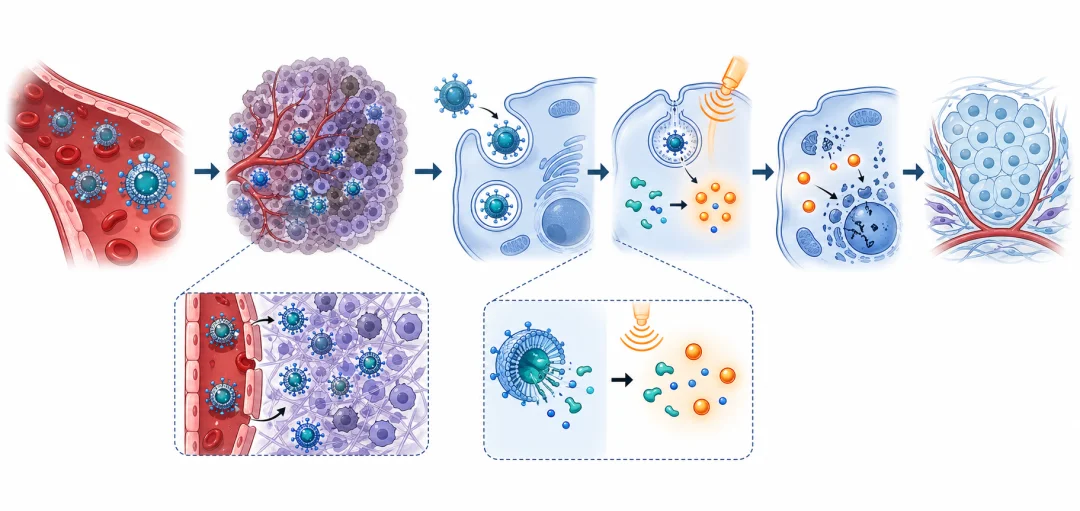
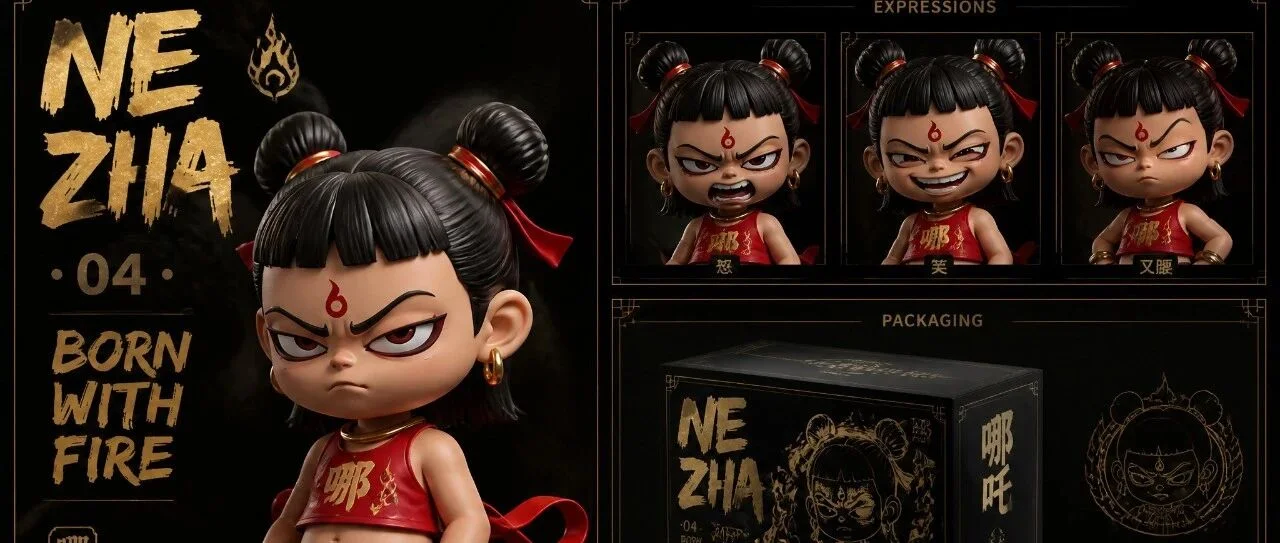
This week GPT Image 2 started rolling out to a wider audience. While most reviews cover general design scenarios, we're testing something different: scientific research scenarios.
If you've ever struggled with mechanism diagrams in BioRender, panicked over a graphical abstract deadline, or spent hours assembling workflow icons — you know the pain. I spent three days testing GPT Image 2 on cell signaling pathways, graphical abstracts, experimental workflows, molecular structures, astrophysics, neuroscience, academic posters, TOC graphics, and scientific infographics. Then I pitted it against Nano Banana 2.
Bottom line: For scientific drawing, GPT Image 2 completely dominates in productivity — though Nano Banana 2 still edges ahead in design aesthetics.
Three disclaimers:
① The model is still in gradual rollout; availability varies.
② All images are pure text-to-image, no image editing, single pass.
③ Molecular pathway structures are visual illustrations only — do not submit them as-is. Always verify with domain experts.
PROMPT 01 — Mechanism Pathway
🧬 Cell Signaling Pathway
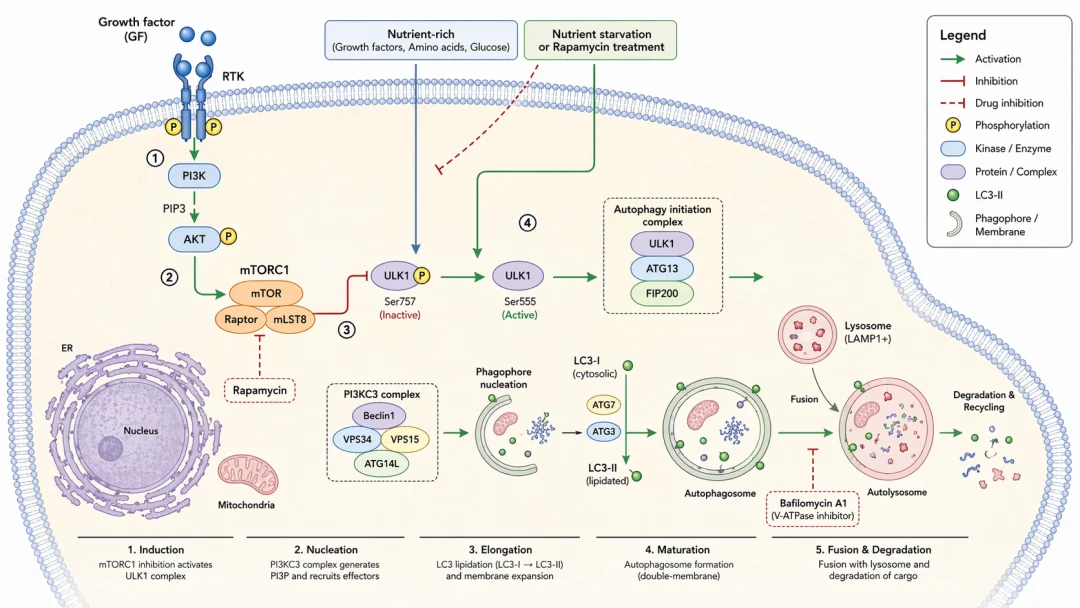
The hardest category in scientific illustration — requiring chemical structures, spatial relationships, standard annotations, and signal arrows.
A Science/Nature-level academic mechanism diagram showing the mTOR-ULK1 signaling pathway of cellular autophagy. Light white background, whole eukaryotic cell cross-section as main body, double-layer phospholipid cell membrane (light blue), highlighting key components: extracellular growth factor (GF) binding to RTK, downstream PI3K-AKT activation; AKT phosphorylation activates mTORC1 complex; mTORC1 phosphorylates ULK1 to inactivate it; under nutrient starvation, ULK1 is released and activated, initiating autophagy; downstream PI3KC3 complex, LC3 lipidation, autophagosome formation, fusion with lysosome. 16:9 ratio.Review: Complex pathways can be drawn with mostly correct protein positions and signal directions. But protein abbreviations may have spelling errors (e.g., mTOR rendered as mToR). Always manually fix the text layer before submission.
PROMPT 02 — Pharmacology Pathway
💊 Multi-Tissue Cascade Mechanism
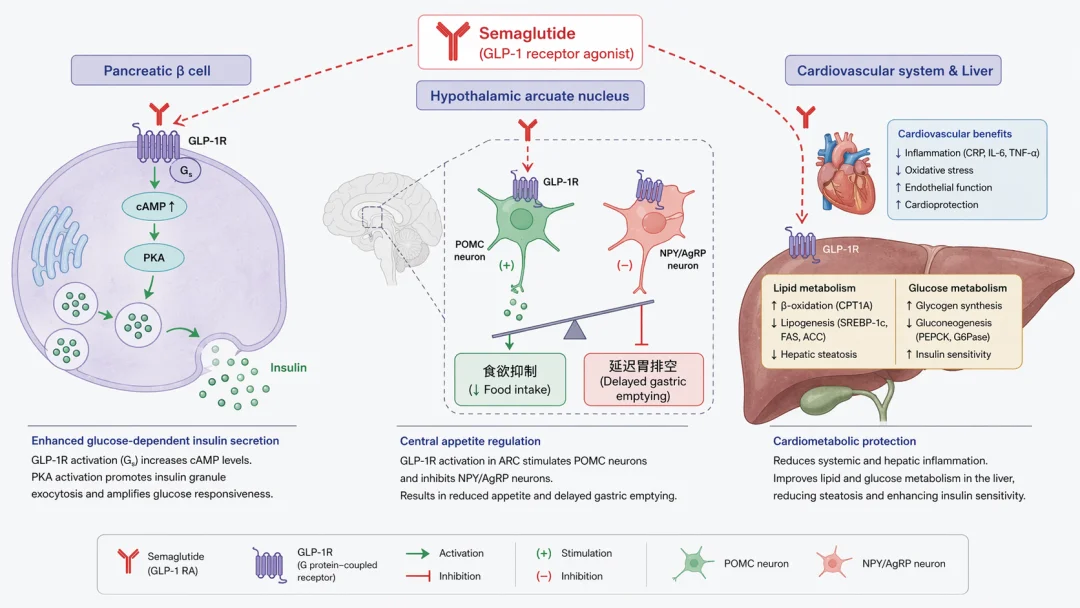
A "pharmacology review" style, three-panel illustration telling the whole-body story of a drug.
An academic review-level mechanism diagram showing multi-tissue action pathways of GLP-1 receptor agonists (e.g., Semaglutide). Horizontal three-panel composition. Left: pancreatic β-cell cross-section showing GLP-1R activation → cAMP↑ → PKA → insulin vesicle exocytosis. Center: hypothalamic arcuate nucleus neurons, POMC activated, NPY/AgRP inhibited. Right: cardiovascular and liver showing inflammatory factor downregulation. 16:9 ratio.Review: Three-panel composition is rock-solid. "Three-tissue cascade" narrative mechanism diagrams are GPT's comfort zone.
PROMPT 03 — Submission Essential
📑 Graphical Abstract
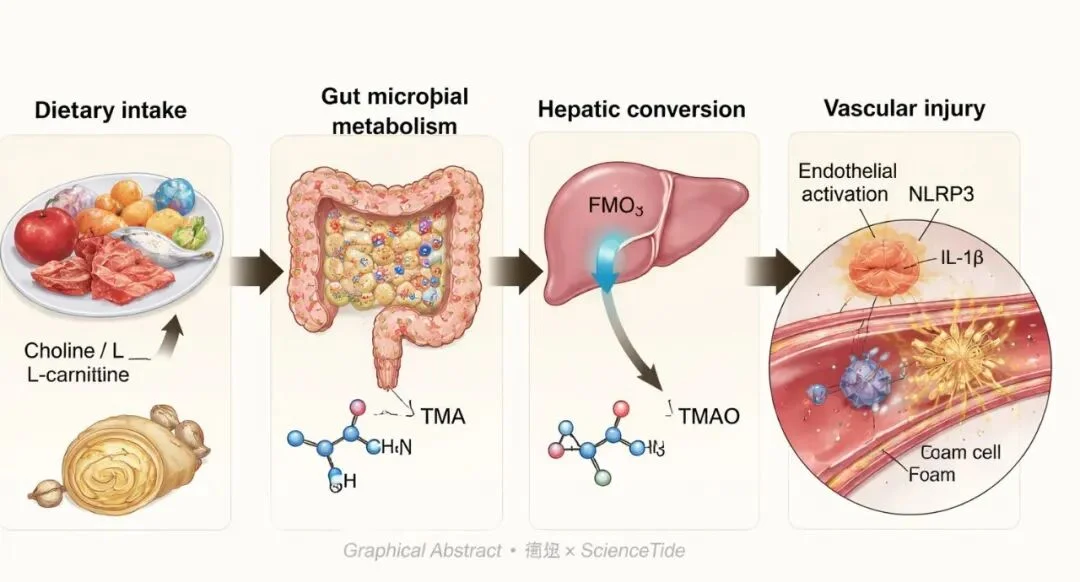
Old model output
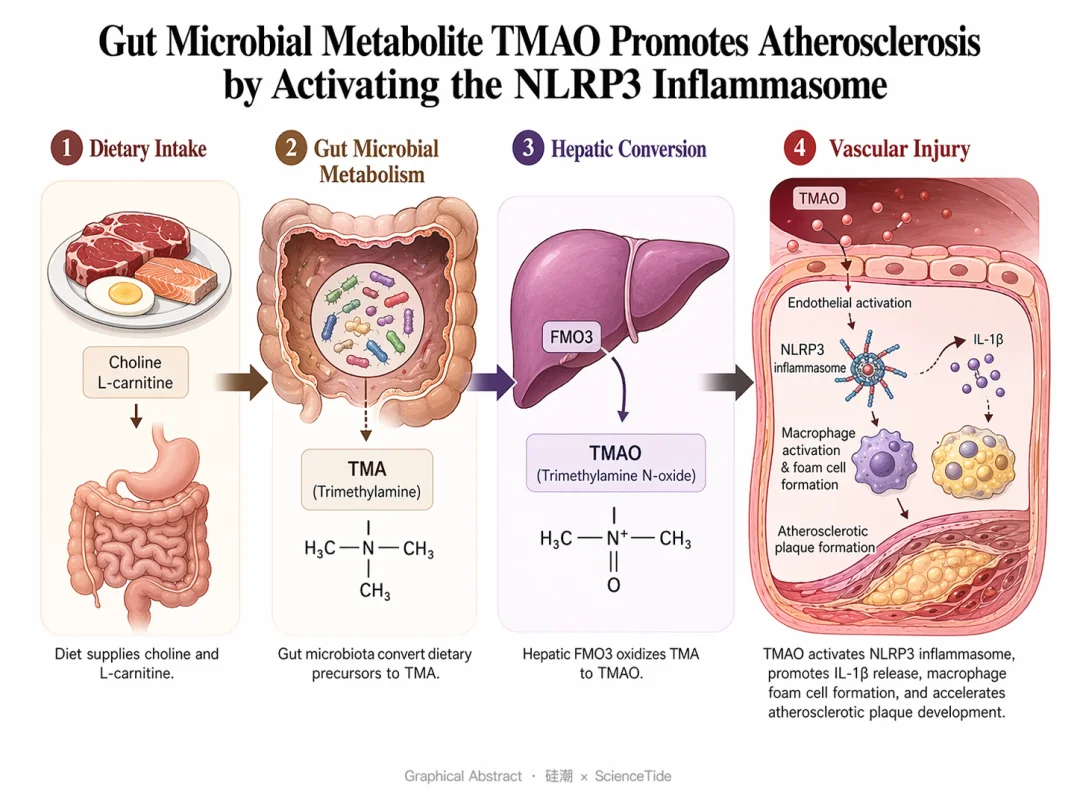
New model (GPT Image 2) output
A Cell Press-style Graphical Abstract on "Gut microbiota metabolite TMAO accelerates atherosclerosis by activating NLRP3 inflammasome". Horizontal 4:3, left-to-right narrative flow with 4 story nodes connected by bold arrows. 4:3 ratio.Review: GPT Image 2 genuinely understands the "flat narrative" GA style of Cell Press / Nature Communications. Main issue: small English text misspellings (e.g., Inflammasome → Inflamasome). Still need Photoshop for text fixes.
PROMPT 04 — Methodology
🔬 Experimental Workflow Schematic
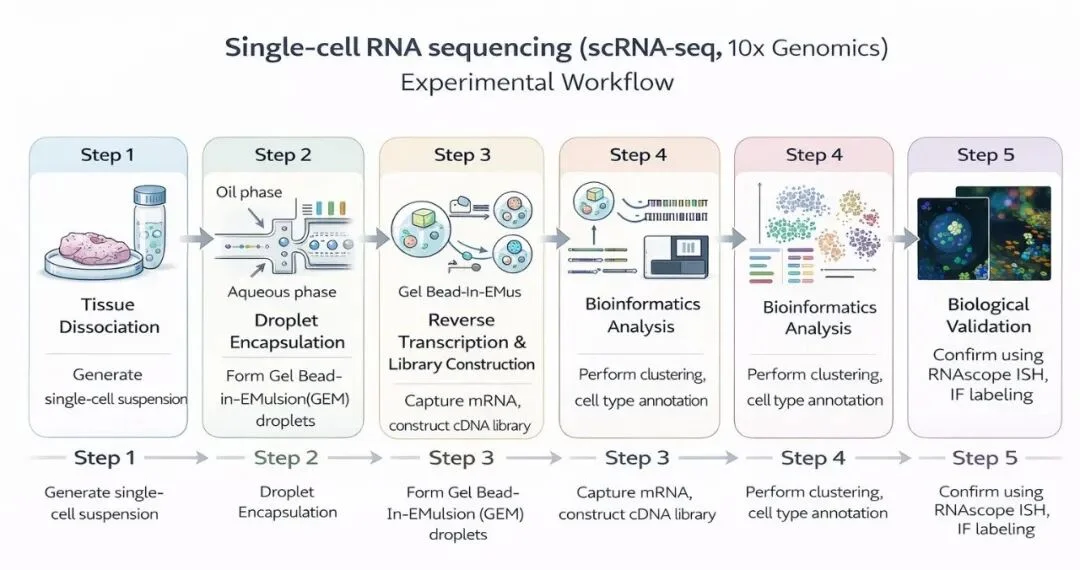
Old model output
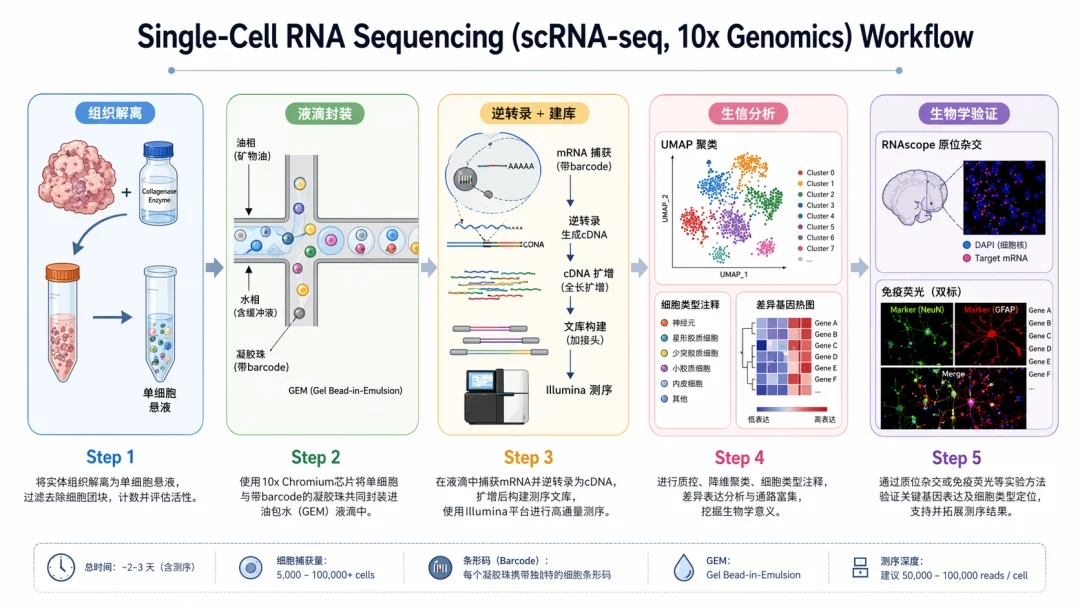
New model (GPT Image 2) output
An Experimental Workflow Schematic showing "single-cell RNA-seq (10x Genomics) complete pipeline". Horizontal 16:9, 5-step horizontal pipeline layout. 16:9 ratio.Review: "5-step horizontal pipeline" is AI's most stable composition, almost directly usable for lab meeting PPT.
PROMPT 05 — Structural Biology
🧫 Molecular / Protein Visualization
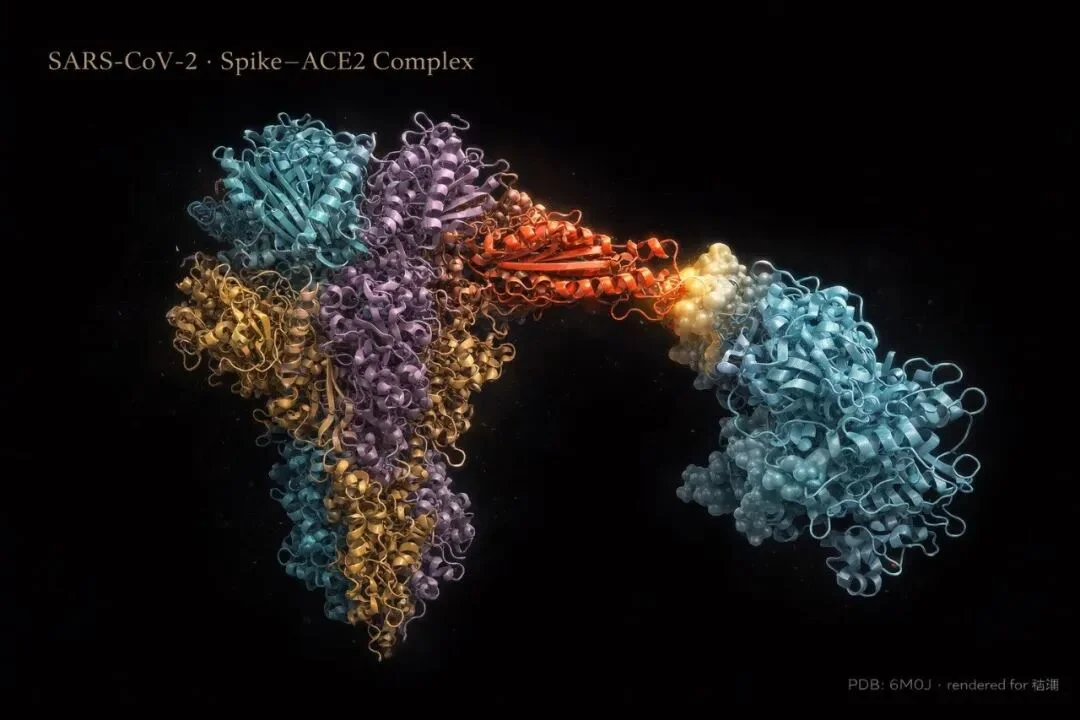
Old model (font rendering issues)
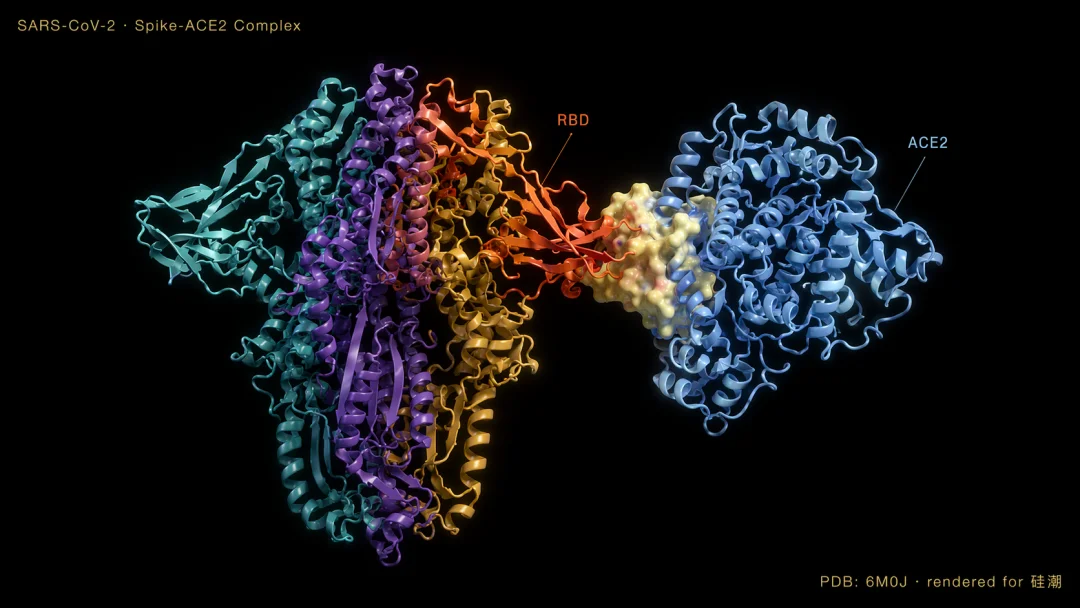
New model (note the font rendering in bottom right)
A high-aesthetic molecular visualization poster on "SARS-CoV-2 Spike Protein and ACE2 receptor binding". Pure black background, central spike protein trimer 3D cartoon structure. PyMOL/ChimeraX rendering quality. 16:9 ratio.Review: Scores about 80 — visually resembles PyMOL rendering. Fine for teaching or popular science covers; for review papers, stick with real PyMOL.
PROMPT 06 — Neuroscience
🧠 Brain Science / Neuroanatomy
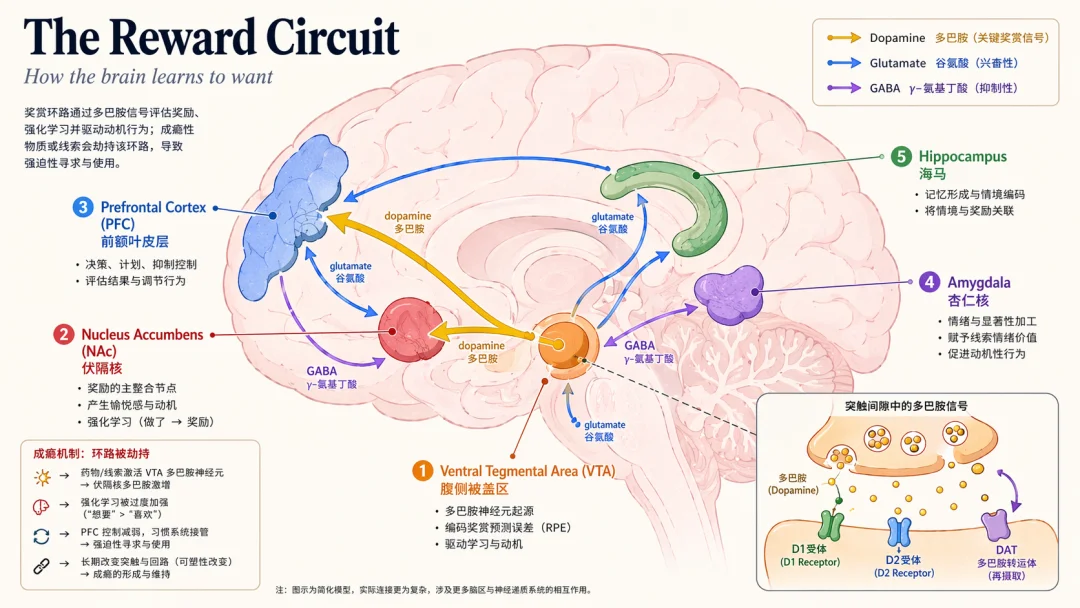
A neuroscience popular-science brain region connection diagram on "Reward Circuit and Addiction Mechanism". Sagittal brain section, highlighted regions: VTA, NAc, PFC, Amygdala, Hippocampus. Scientific American × Kurzgesagt style. 16:9 ratio.Review: This one is genuinely beautiful. Brain region positions and proportions are mostly correct. Neurotransmitter labels all spelled correctly.
PROMPT 07 — Astrophysics
🌌 Black Hole and Relativistic Jets
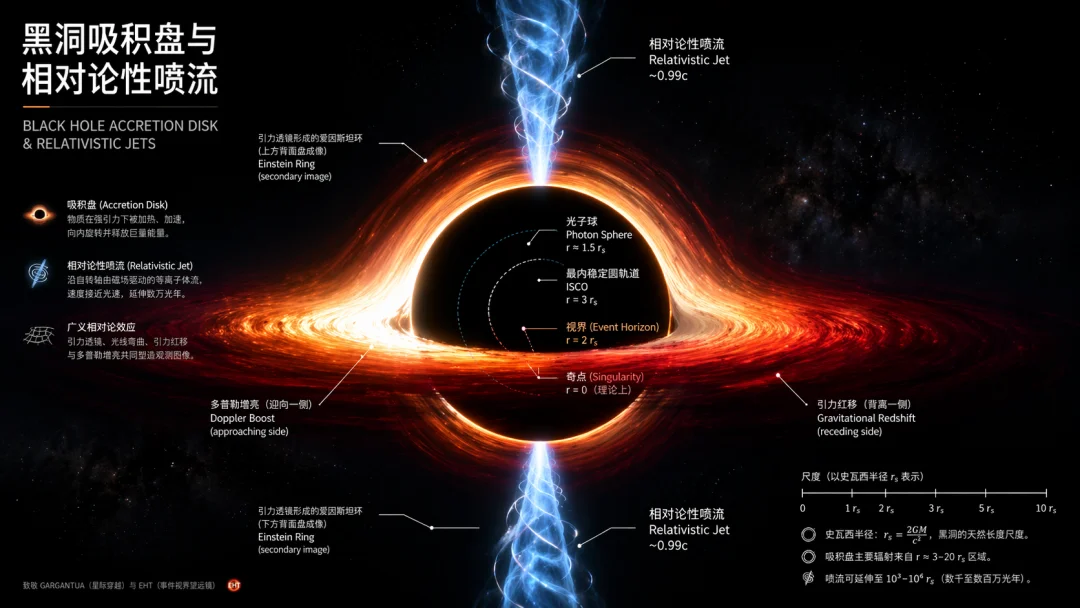
A cosmology-level popular science diagram on "black hole accretion disk and relativistic jets". Interstellar's Gargantua + EHT aesthetic. 16:9 ratio.Review: The "Interstellar black hole" visual language is burned into its DNA. Needs almost no changes.
PROMPT 08 — Long Infographic
📊 Academic Data Long Infographic
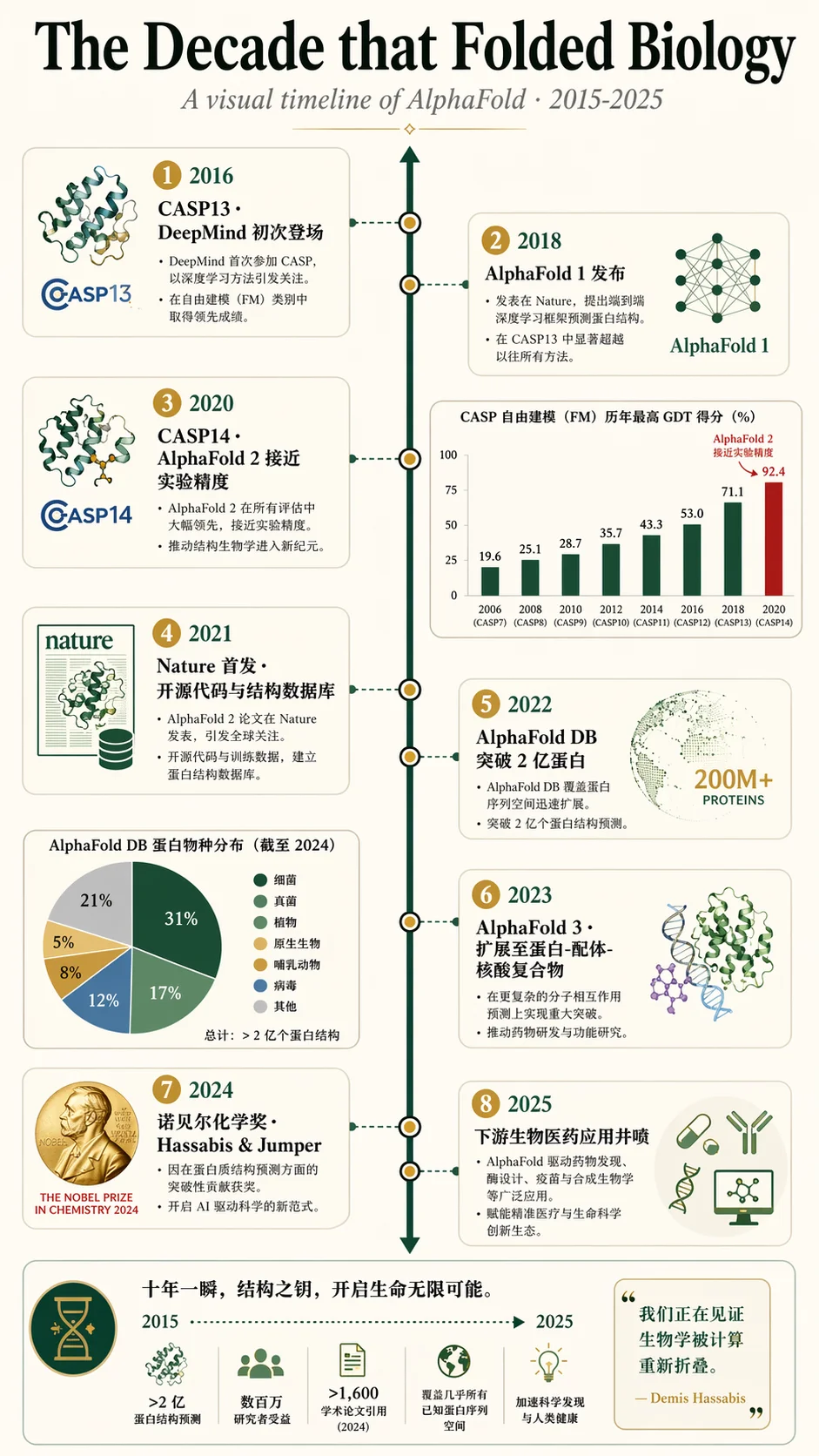
A vertical academic data infographic (9:16) on "The Decade that Folded Biology: AlphaFold 2015-2025". Financial Times × Pudding.cool × Scientific American style. 9:16 ratio.Review: Information density control is genuinely strong. Suitable for WeChat article headers.
PROMPT 09 — Academic Poster
🎨 Academic Conference Poster
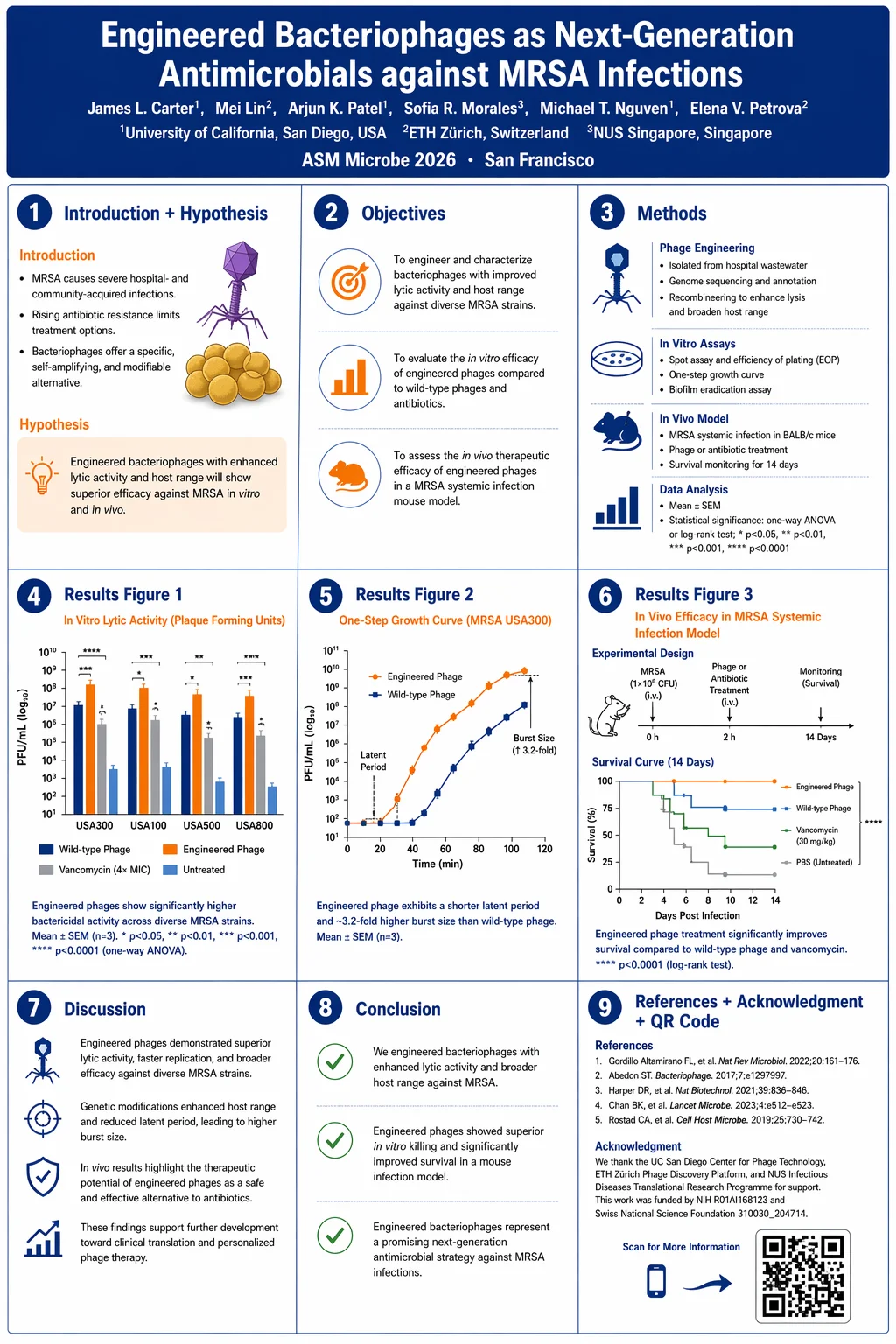
An academic conference poster thumbnail simulating A0 vertical poster in 9-panel layout. 2:3 ratio.Review: Layout ability for posters is very strong — well-organized panels with clear information hierarchy.
PROMPT 10 — Creative Direction
🎬 Turning Research Concepts into Movie Posters
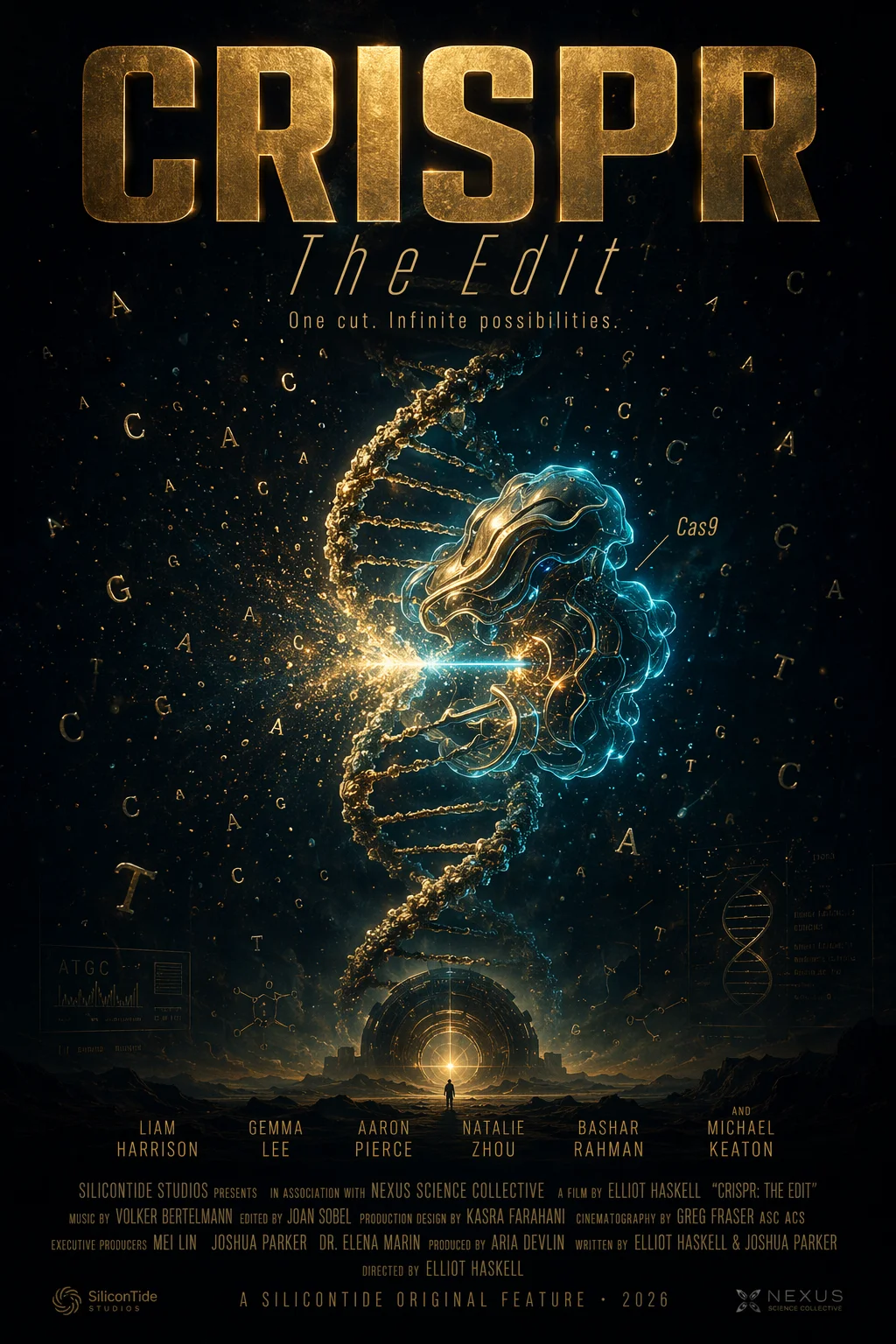
A movie poster-style scientific creative visual on "CRISPR: The Edit" (fictional film). Black-gold blockbuster aesthetic. Interstellar × Oppenheimer × Dune movie poster aesthetic. 2:3 ratio.Review: Absolutely stunning. Perfect for research group annual posters, thesis defense openings, lecture preview covers.
PROMPT 11 — WeChat Cover
📱 Popular Science WeChat Cover Image
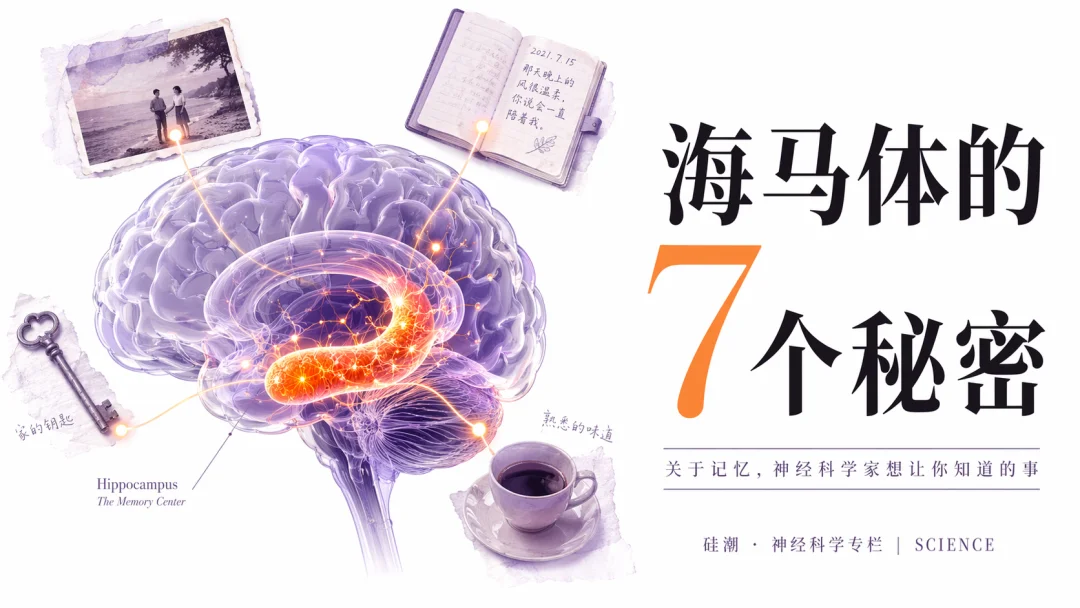
A popular science WeChat headline cover (16:9) on hippocampus secrets. The Atlantic × Sanlian Lifeweek cover style. 16:9 ratio.Review: Can be directly used as WeChat cover image. Chinese font rendering is a GPT Image 2 strength.
PROMPT 12 — TOC Graphic
🧪 TOC Graphic (Table of Contents)
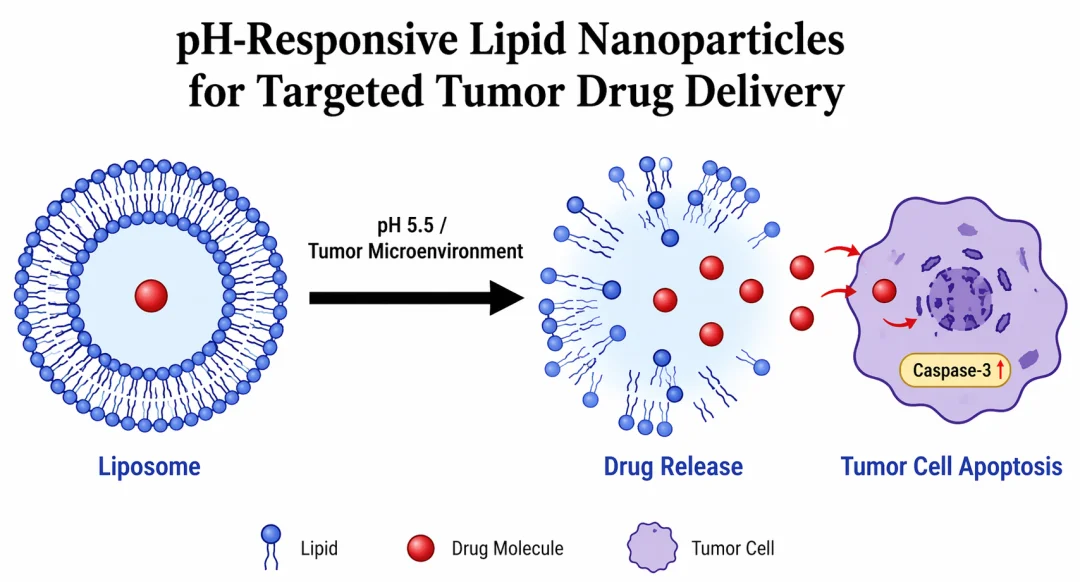
An ACS Journal-style TOC Graphic. Horizontal 3.25 × 1.75 inches. Left-to-right "before → arrow → after" narrative. ACS TOC specifications.PROMPT 13 — Defense Slide
🧪 PPT Defense Slide
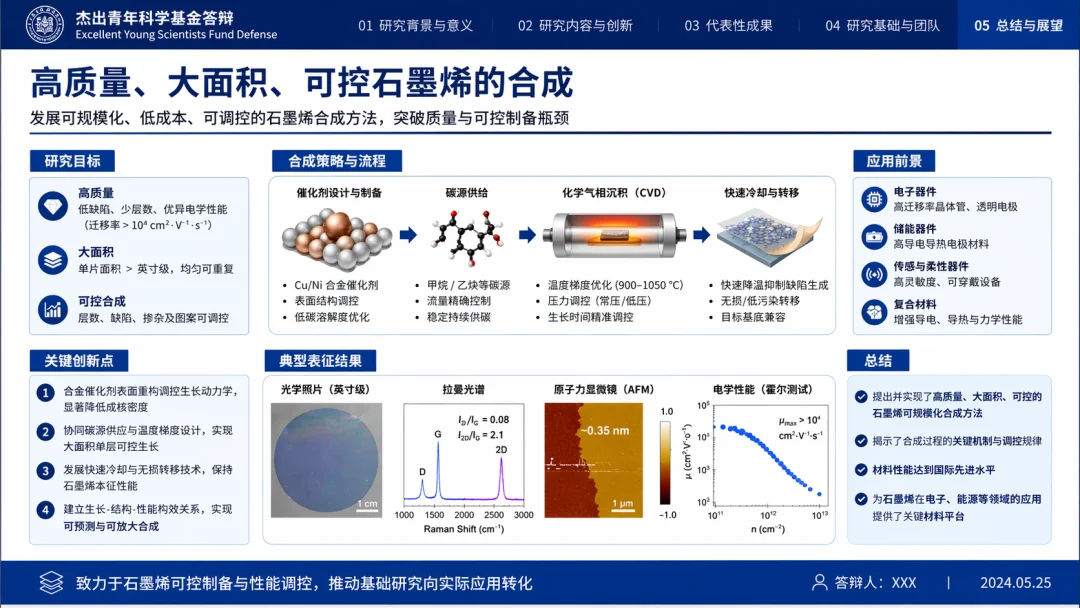
A 16:9 image in the style of an NSFC Distinguished Young Scholar defense PPT, covering graphene synthesis.
Review: Elegant and precise.
7 Direct-Use Scientific Prompts
01 — Life Science Review: Gut Microbiota–Epithelial Barrier–Immune Regulation
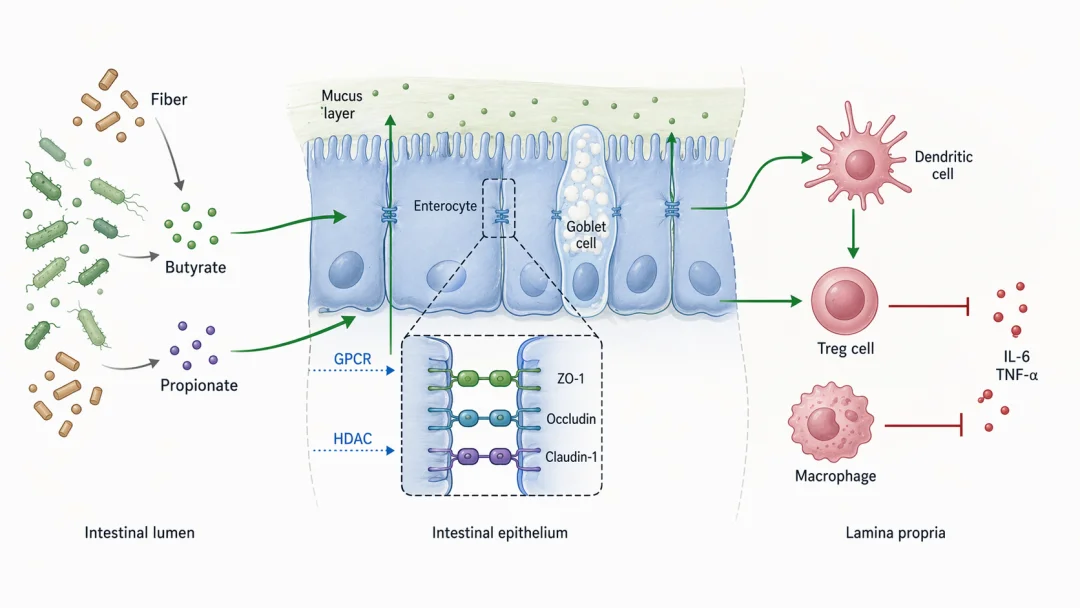
Single-panel mechanism figure. 16:9. Pure white background. Topic: Gut microbiota-derived short-chain fatty acids strengthen the intestinal epithelial barrier and tune mucosal immunity. Left-to-right narrative. Publication-grade scientific illustration. Short English labels only, max 10 labels.02 — Chemistry/Materials TOC: MOF Captures CO₂ → Methanol
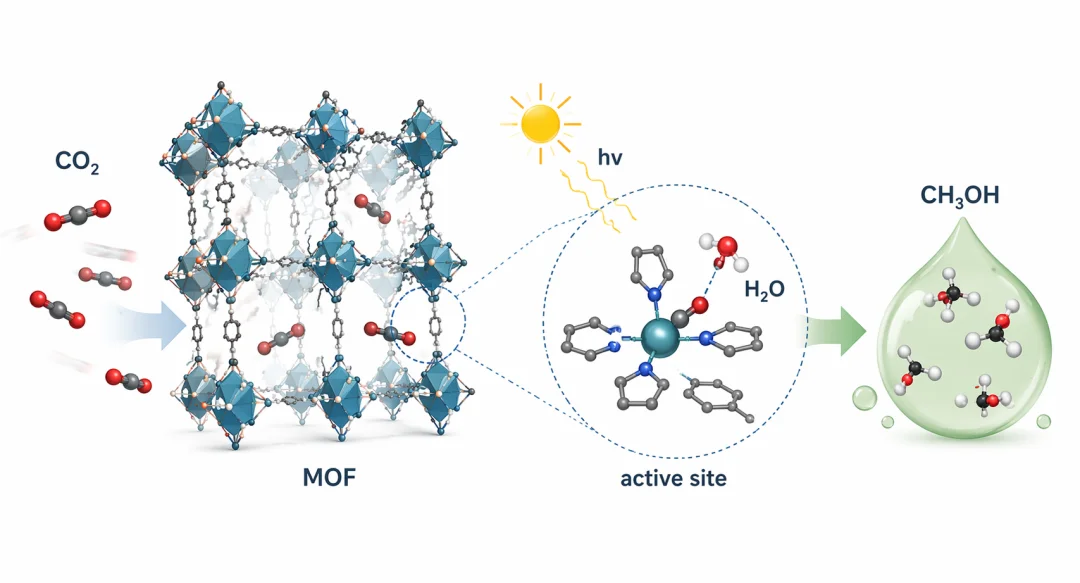
Single-panel TOC graphic. 1.85:1. Pure white. Topic: porous MOF captures CO2 and photocatalytically converts it to methanol. Simple, scholarly, professional.03 — Neuroscience Journal Cover: Brain Organoid
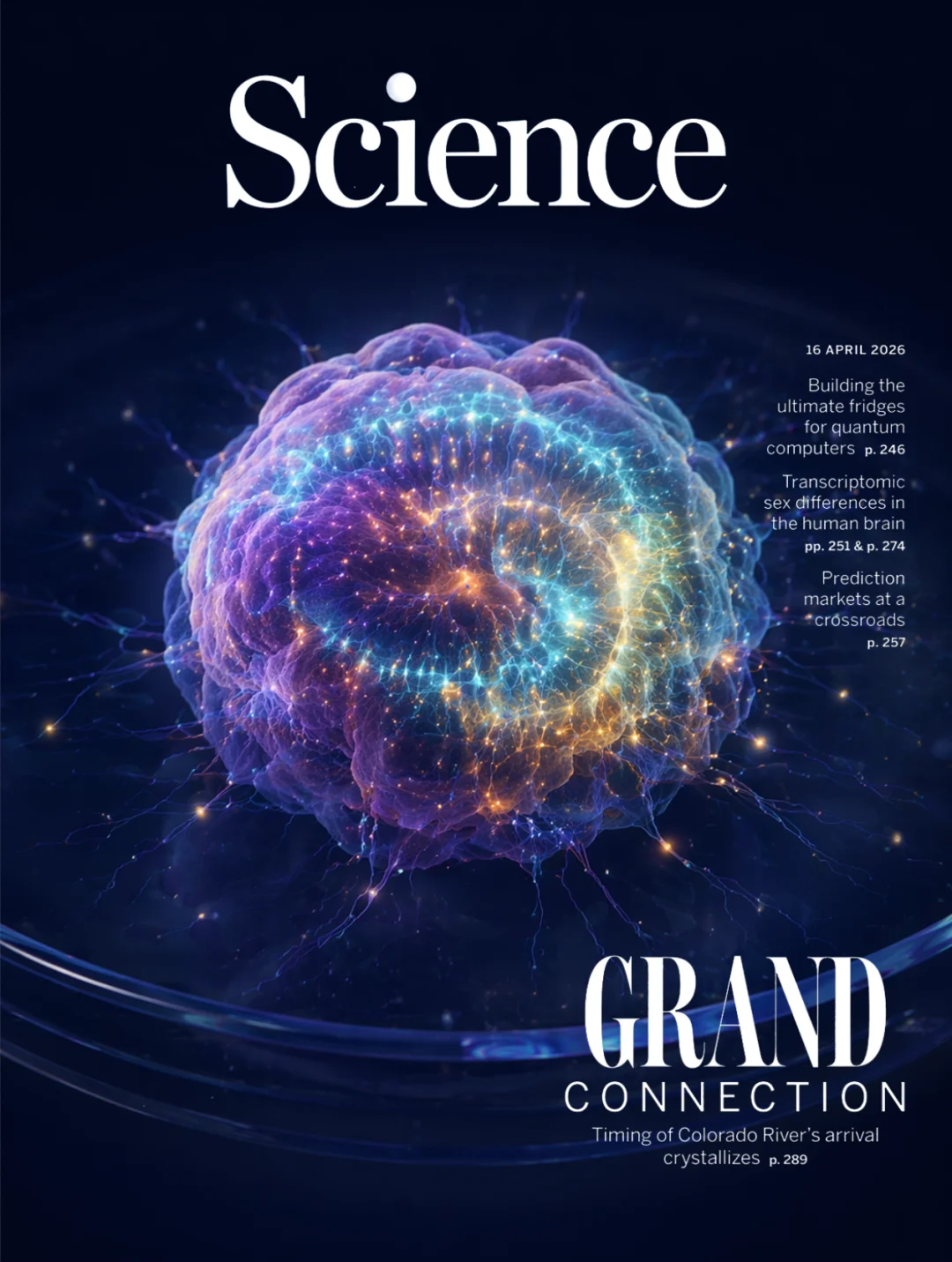
Journal cover concept. 3:4 vertical. Self-organizing neural activity in brain organoids. Deep black to indigo gradient. Midnight + cyan + violet + amber palette. No text.04 — Materials Science Cover: Perovskite Solar Cell
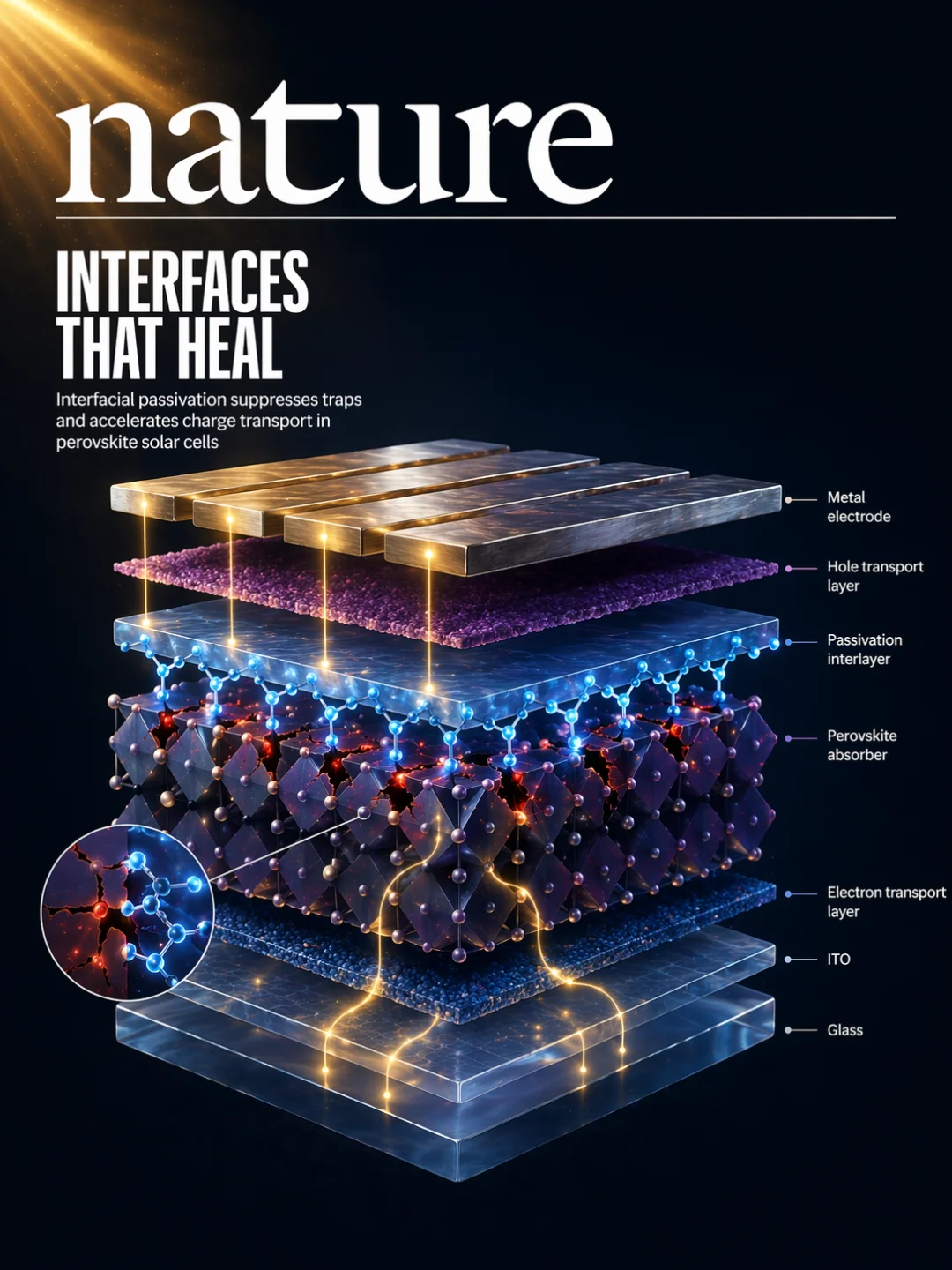
Journal cover concept. 3:4. Interfacial passivation in perovskite solar cells. High-end scientific 3D render. Obsidian + cobalt + amethyst + amber palette.05 — Medical Illustration: mRNA-LNP to Germinal Center
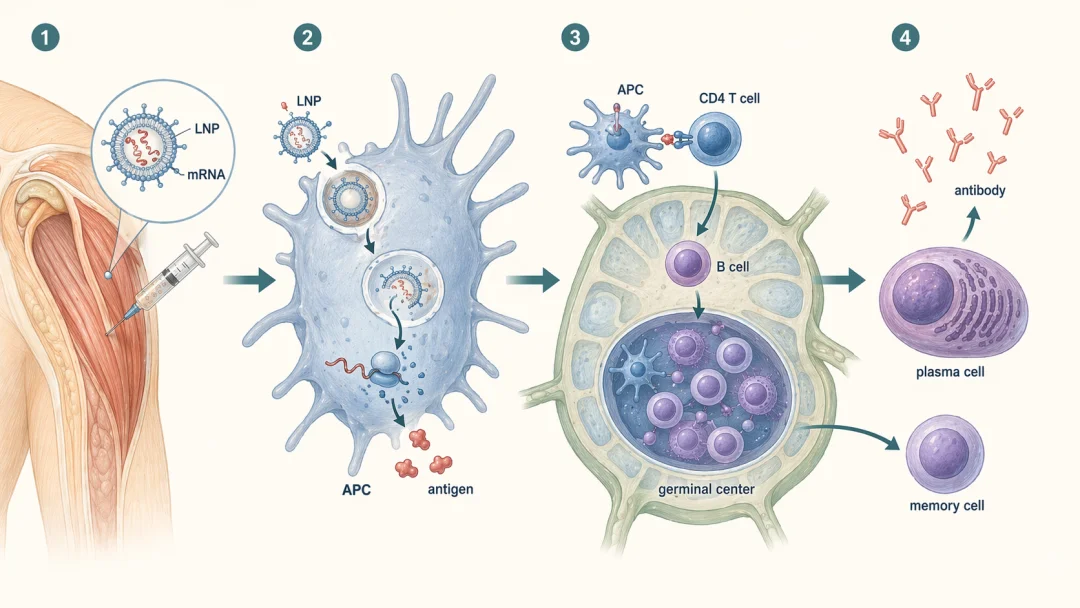
Explanatory medical scientific illustration. 16:9. Four-segment left-to-right flow: deltoid injection → dendritic cell uptake → lymph node germinal center → neutralizing antibodies.06 — AI for Science: Multimodal Pathology Foundation Model
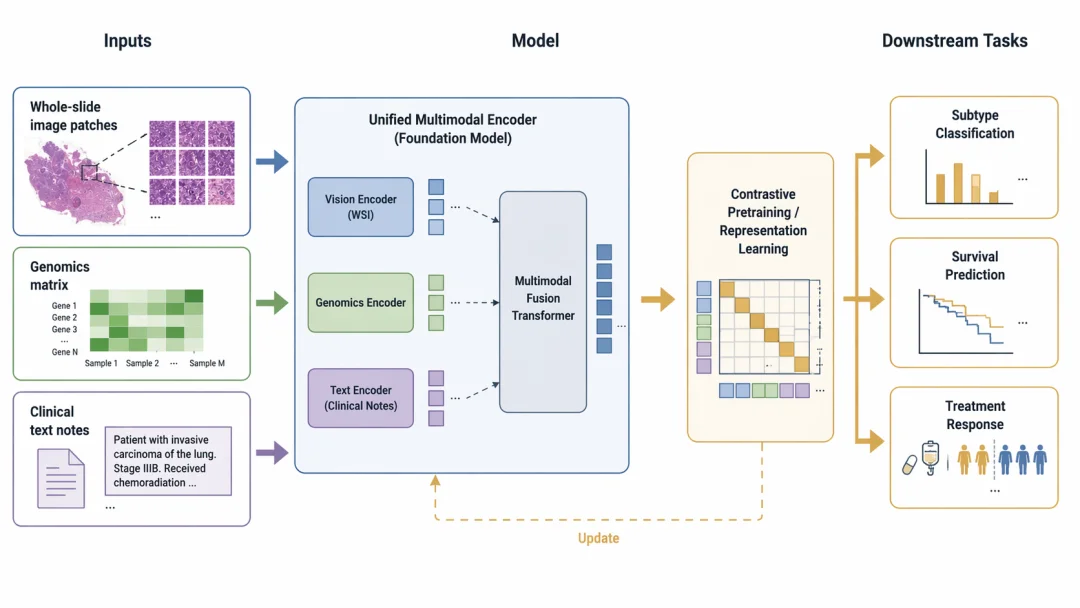
Publication-grade schematic. 16:9. Multimodal pathology foundation model. Clean rectangles and arrows. Steel blue + sage + muted plum palette.07 — Earth Science: Land-River-Ocean Carbon Continuum
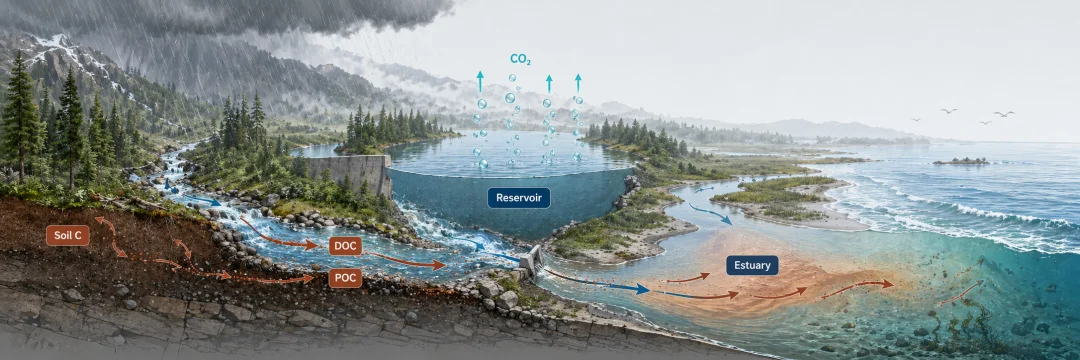
Panoramic scientific illustration. 3:1. Land-river-ocean carbon continuum under extreme rainfall. Scientific infographic meets landscape cross-section.Long-Description Prompt Variants
01 — Interdisciplinary Research Center Cross-Section
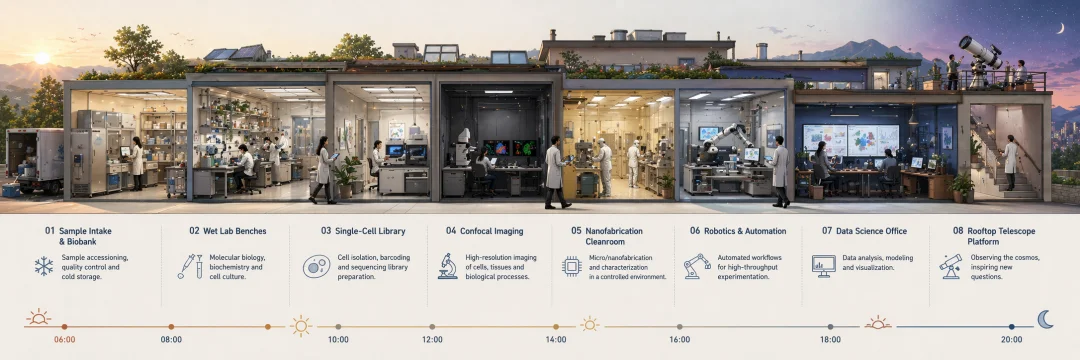
Ultra-wide cross-section showing one day's workflow in an interdisciplinary research center. Oatmeal, slate blue, sage, terracotta, brass palette. 3:1 ratio.02 — "Journey of One Carbon Atom" Vertical Infographic
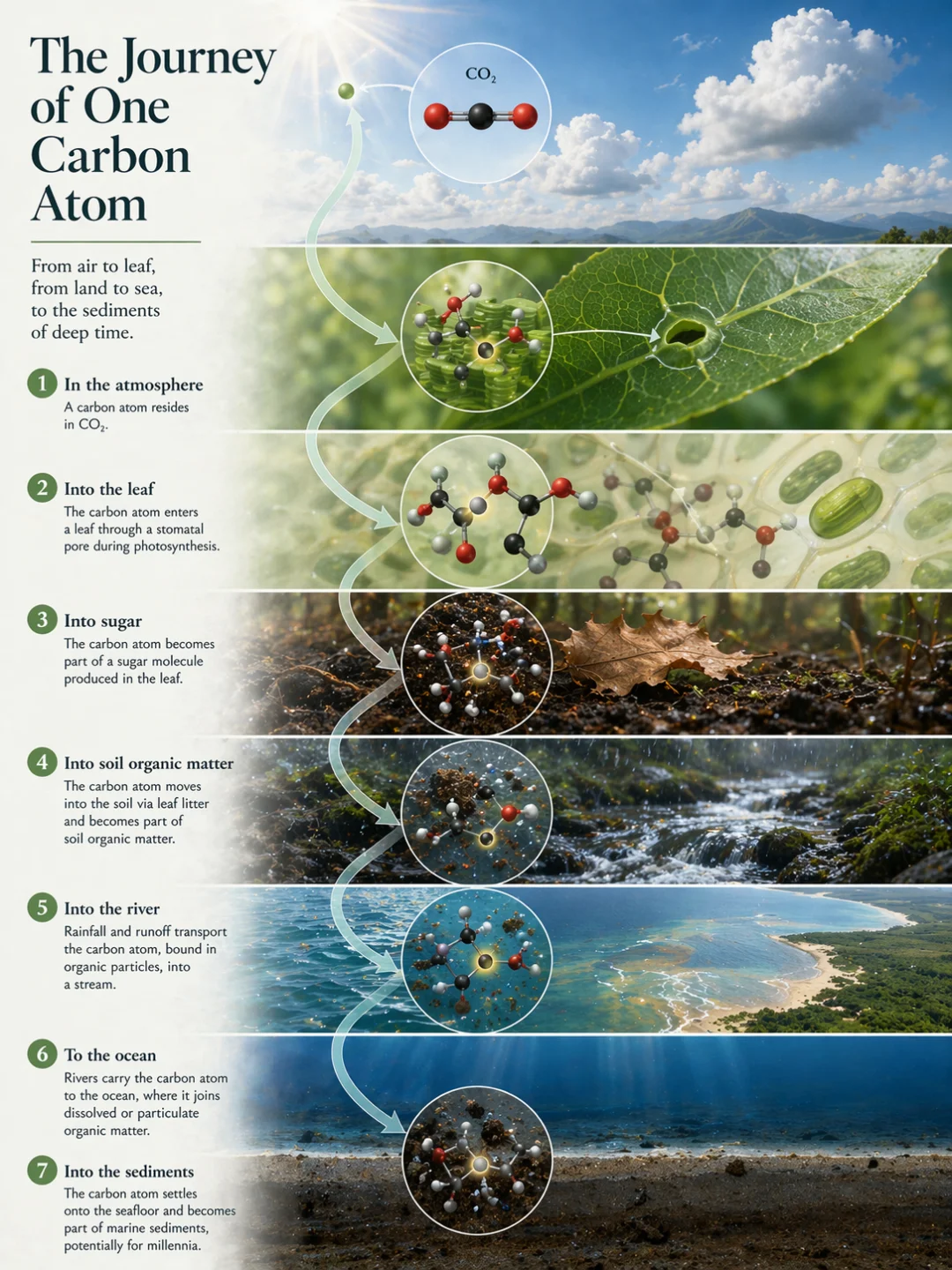
Vertical infographic: carbon atom from atmospheric CO2 through leaf, soil, river, estuary, ocean to sediment. Nature News aesthetic. 3:4 ratio.03 — "A Day in a Chloroplast" Article Illustration
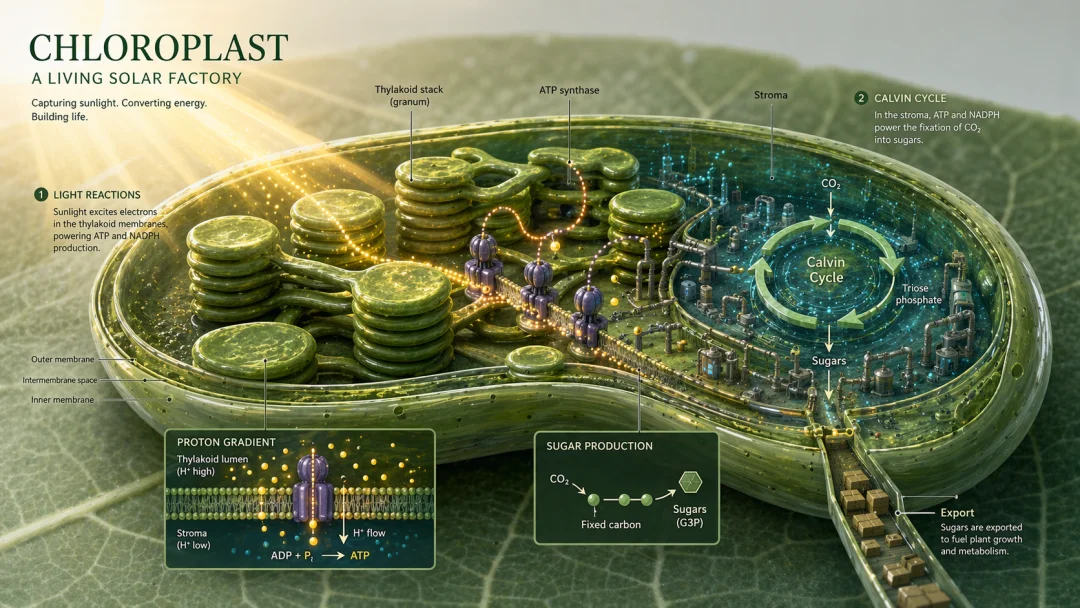
Chloroplast enlarged into a spatially layered "micro-factory" with thylakoid stacks, ATP synthase, Calvin cycle. Editorial illustration style. 16:9 ratio.04 — Deep-Sea Hydrothermal Vent Journal Cover
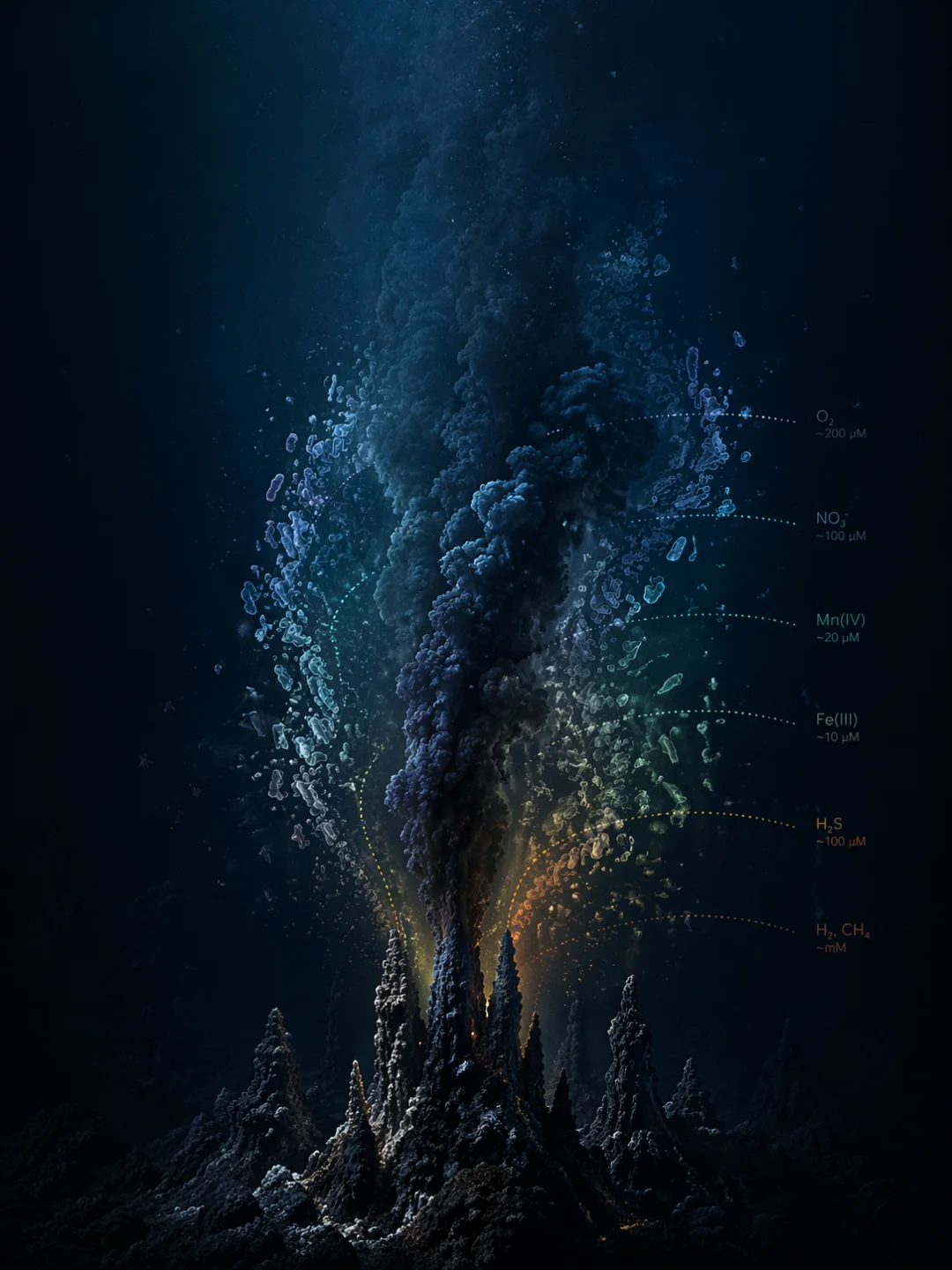
Deep-sea hydrothermal vent microbial ecosystem journal cover concept. Mysterious, precise, solemn aesthetic. 3:4 ratio.05 — Single-Cell Sequencing Workflow Poster
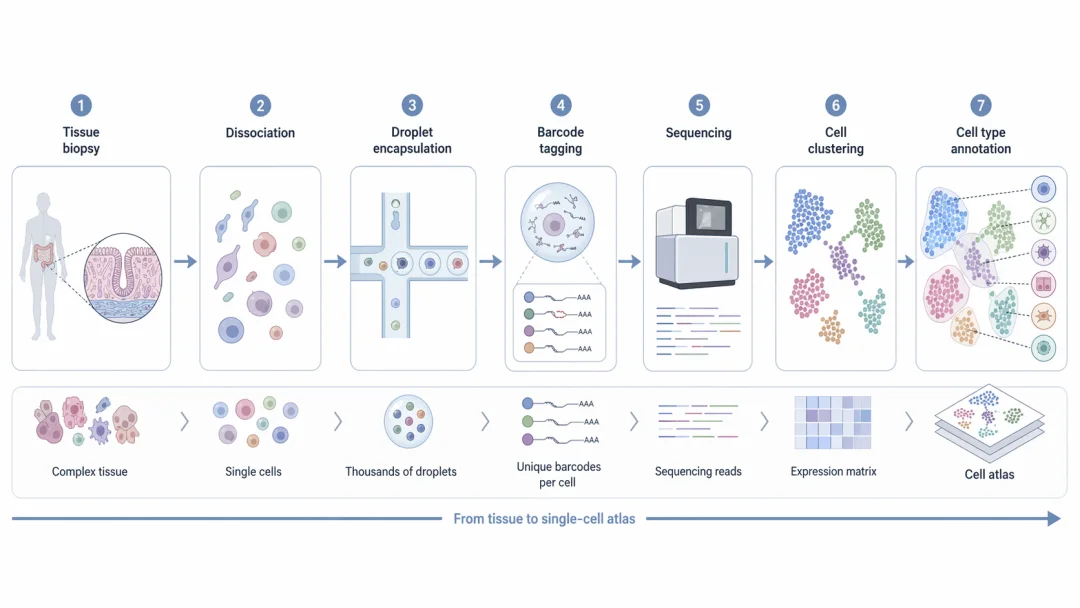
White-background journal tutorial-style infographic on scRNA-seq workflow from tissue to atlas. Steel blue, sage, muted plum palette. 16:9 ratio.06 — Gravitational Wave Interferometer Cutaway
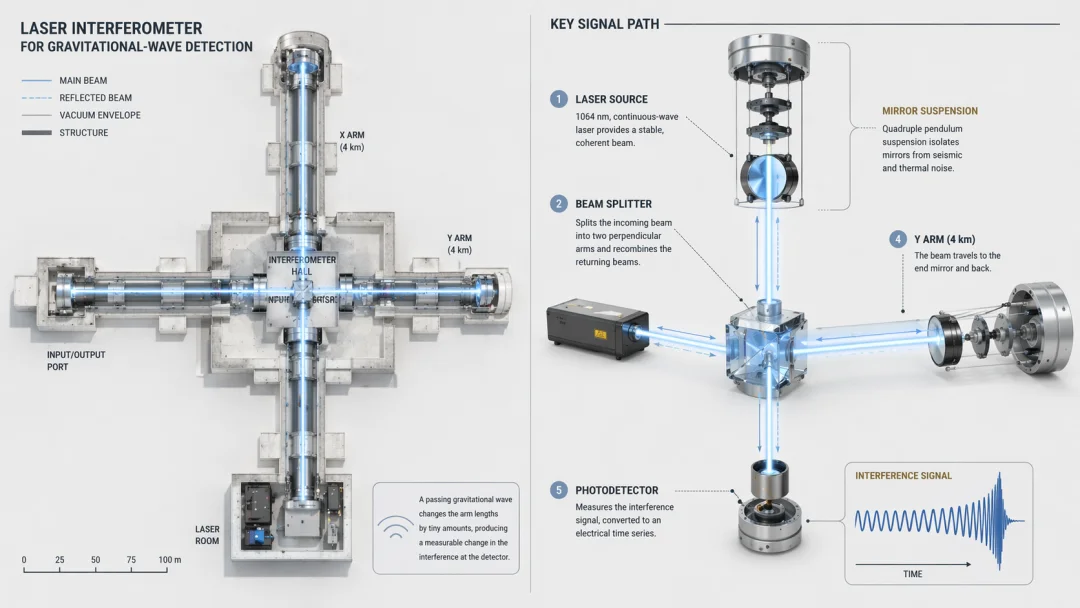
Engineering + physics technical cutaway of laser interferometer for gravitational-wave detection. Physics Today aesthetic. 16:9 ratio.⚔️ HEAD-TO-HEAD: Nano Banana vs GPT Image 2
Test 1: "Global Warming Data Report 2026"
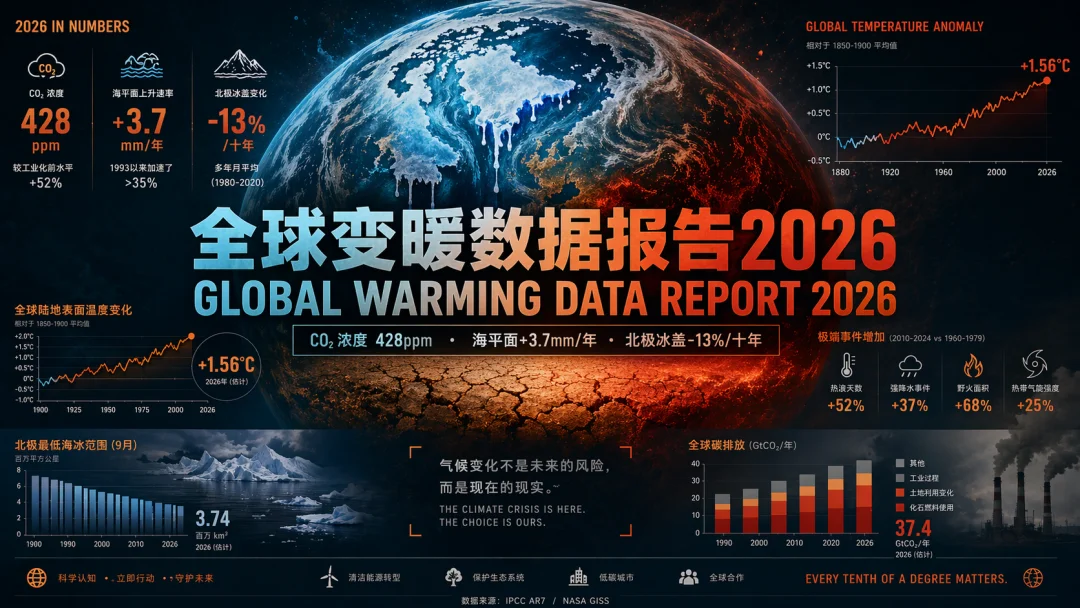
GPT Image 2
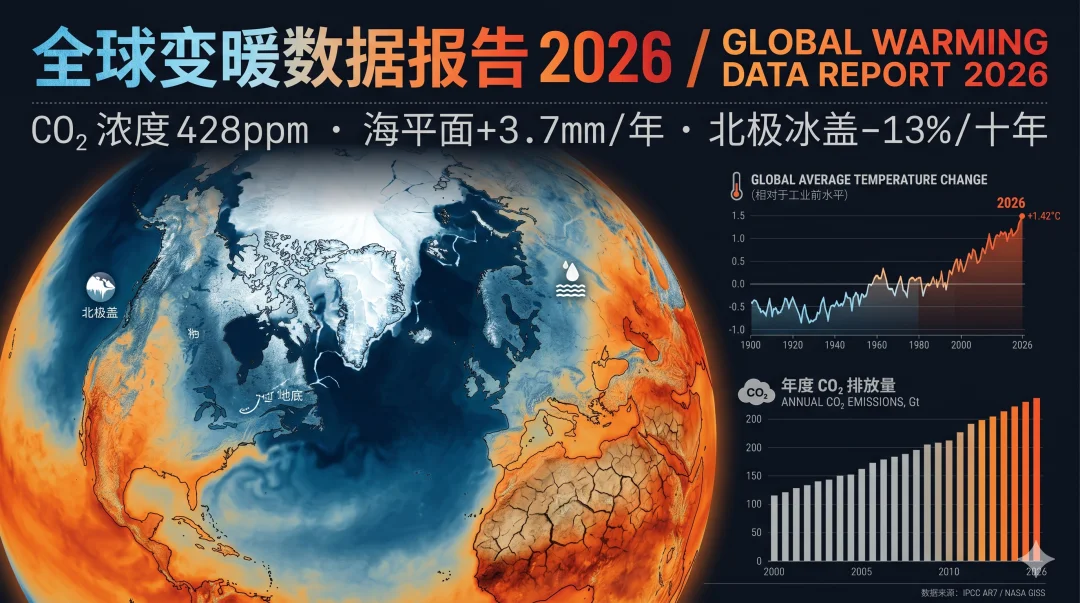
Nano Banana 2
Test 2: "The Truth About Bubble Tea"
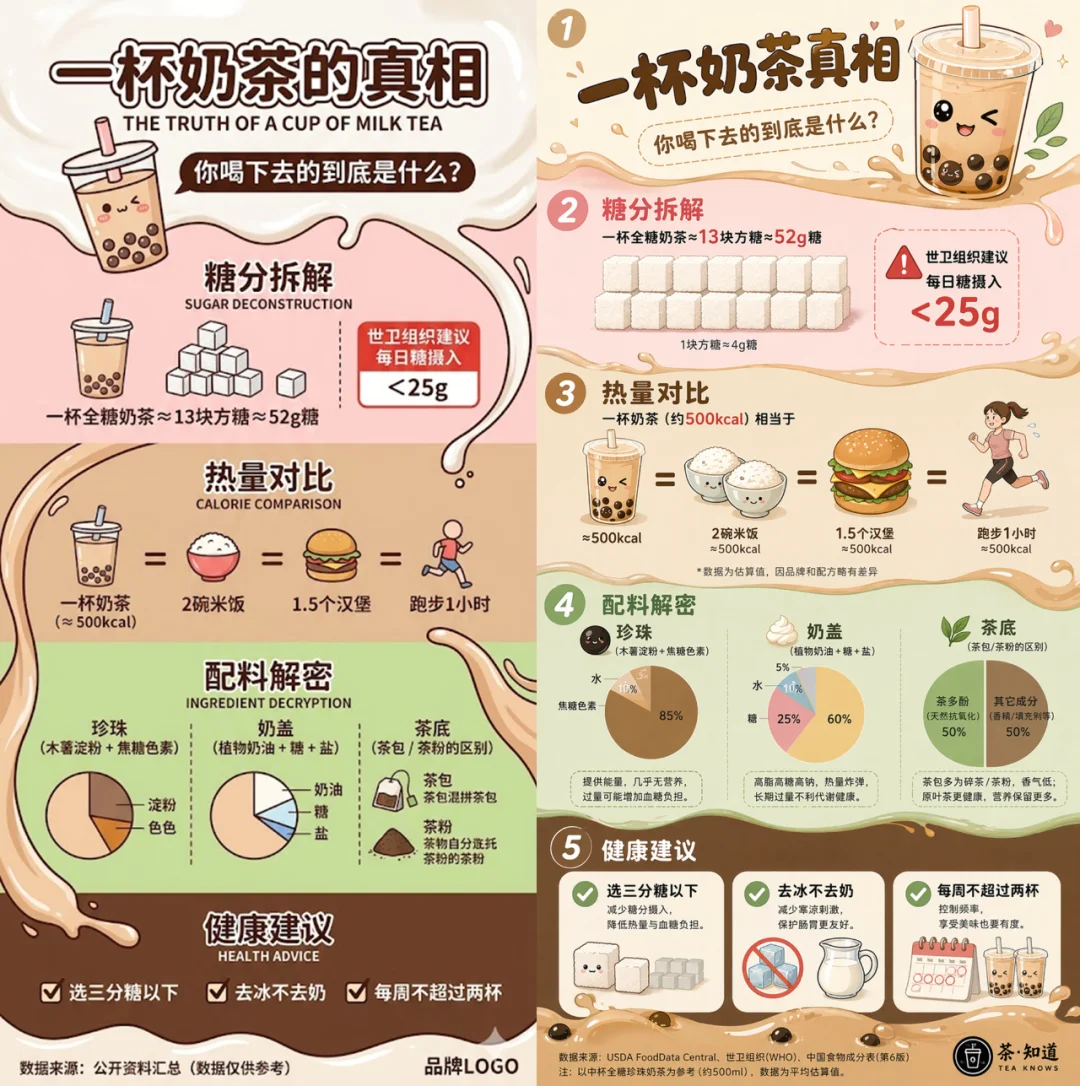
Left: Nano Banana, Right: GPT Image 2
Test 3: "SiliconTide Children's Education Brand"
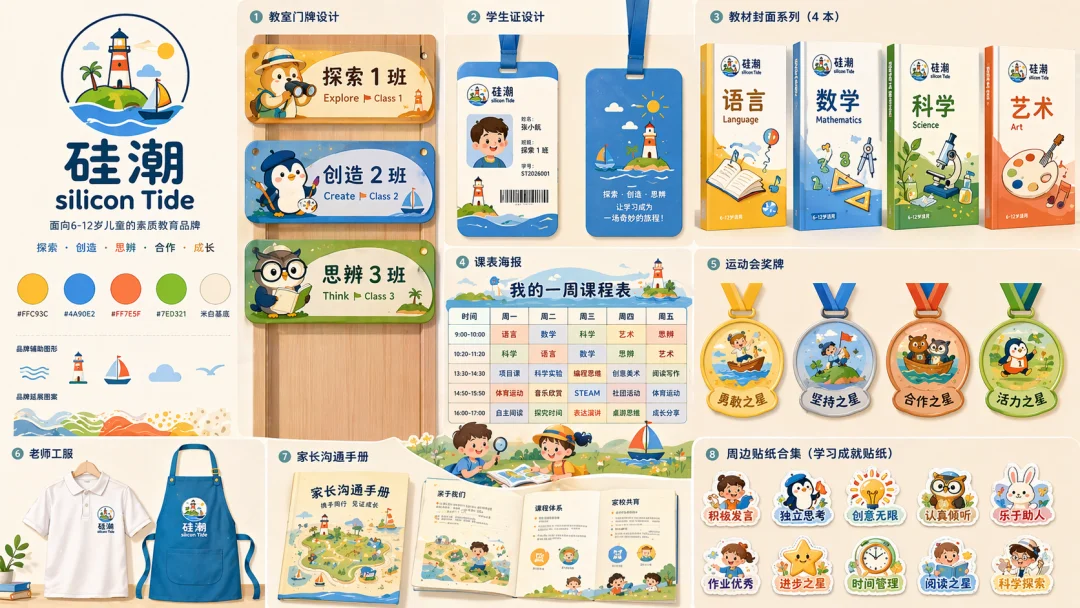
GPT Image 2
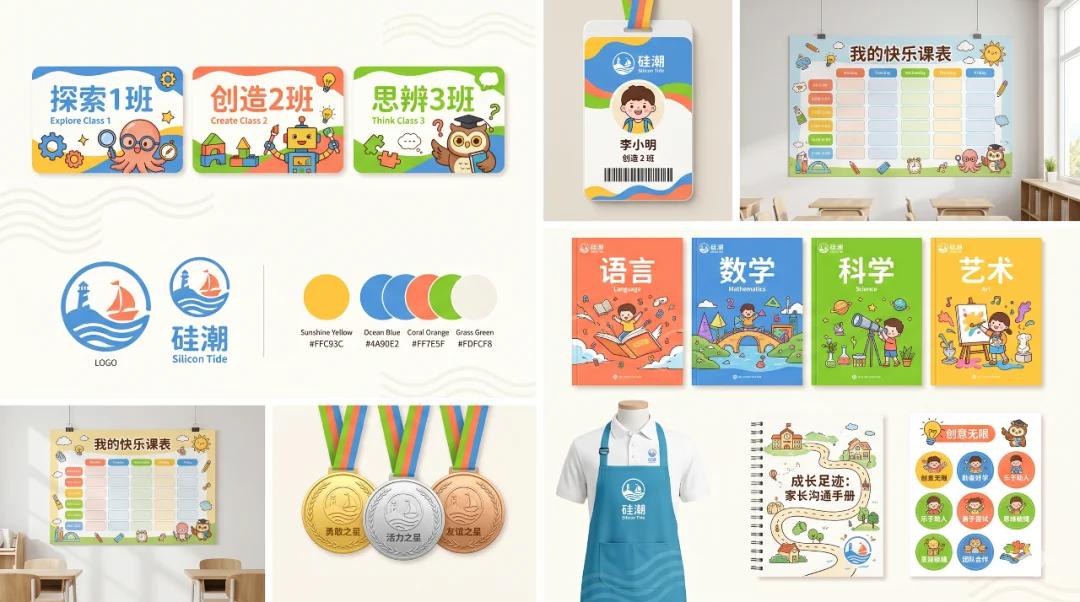
Nano Banana Pro
Comparison Summary
1. English Technical Term Small Text: GPT Image 2 wins, but still misspells abbreviations. Always rewrite text layer in Illustrator.
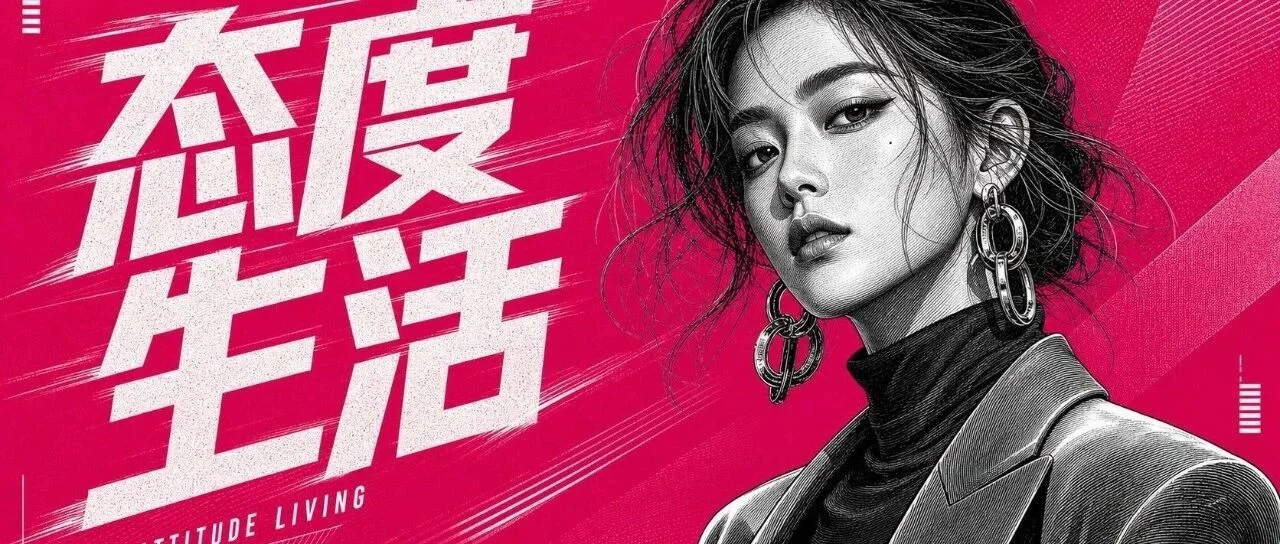
2. Chinese Typography: GPT Image 2 is clearly stronger for long titles and serif fonts. Reached "mostly usable without editing" level.
3. Structural Spatial Relationships: Roughly tied. Nano Banana better at overall harmony; GPT better at complex pathway signal flow.
4. Image Editing: Nano Banana wins completely for modifying existing figures.
5. Illustration Quality: Nano Banana feels more natural. GPT Image 2 has chronic excessive detail enhancement.
Recommendations
📌 Complex mechanism pathways → GPT Image 2
📌 Graphical Abstract → GPT Image 2
📌 TOC Graphic → GPT Image 2
📌 Experimental workflows → Both work, GPT slight edge
📌 Research WeChat covers / Chinese academic posters → GPT Image 2
📌 Editing existing mechanism diagrams → Nano Banana
📌 Preserving paper figure fidelity → Nano Banana
📌 Flat popular science (Kurzgesagt style) → Nano Banana
📌 Realistic figures + experimental scenes → Nano Banana
📌 Molecular 3D visualization (PyMOL-style) → Both just "look similar"
Final Thoughts
The value of AI-generated images is never about "replacing BioRender" — it's about giving you an inspiration starting point, enabling rapid trial and error, bringing visual material costs to near zero, and letting non-designers produce decent first drafts.
Treat it as "a first-year grad student who can draw" — sometimes right, sometimes nonsense, but you save half the starting time.
Copy the 12 prompts above, swap keywords, and run — from GLP-1 to SGLT-2, from AlphaFold to CRISPR, all universally applicable.